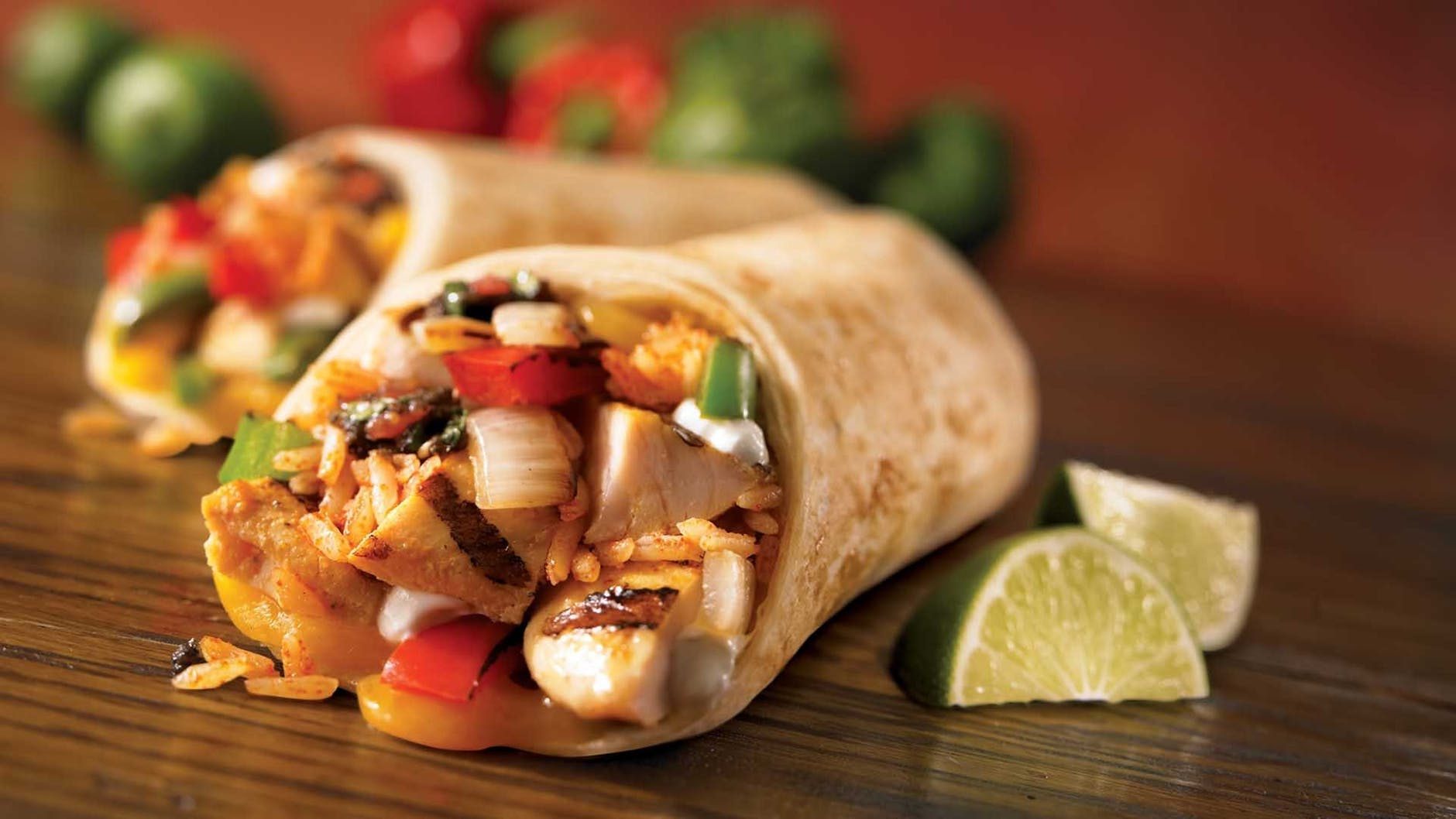
The two terms I learned a great deal about from this course are ‘cultural appropriation’ and ‘authenticity’. My eyes were opened to the issue of appropriation that I hadn’t previously grasped the significance of. From our class as well as research, I’ve drawn the conclusion that the qualifications for determining the authenticity of food is a subjective phenomenon. It comes down to the beliefs of each culture the food has created that decides what is authentic.

It all started with this meal from the very beginning when I ordered the mission burrito at Ho’ Brah for our first restaurant review assignment. I had no idea it would turn into almost a semester’s worth of research on the history of the dish! I learned so much about the foodways specific to this dish, its origins, and various iterations around the globe.
Another important idea I learned in this course is the struggle that some Mexican people have had. When we learned about the Driscoll farm laborers, it brought to my attention some of the glaring hardships these companies place on their workers. They ignore the rights and dignity of these Mexican workers and we may not even realize it when we purchase their products.
This quote from Gustavo Arellano pretty much sums up one of the central issues our class discussed. Some foods of the Mexican people were altered, or ‘sanitized’, by white Americans for business motives. They had no regard for the culture of the food and people they were manipulating.
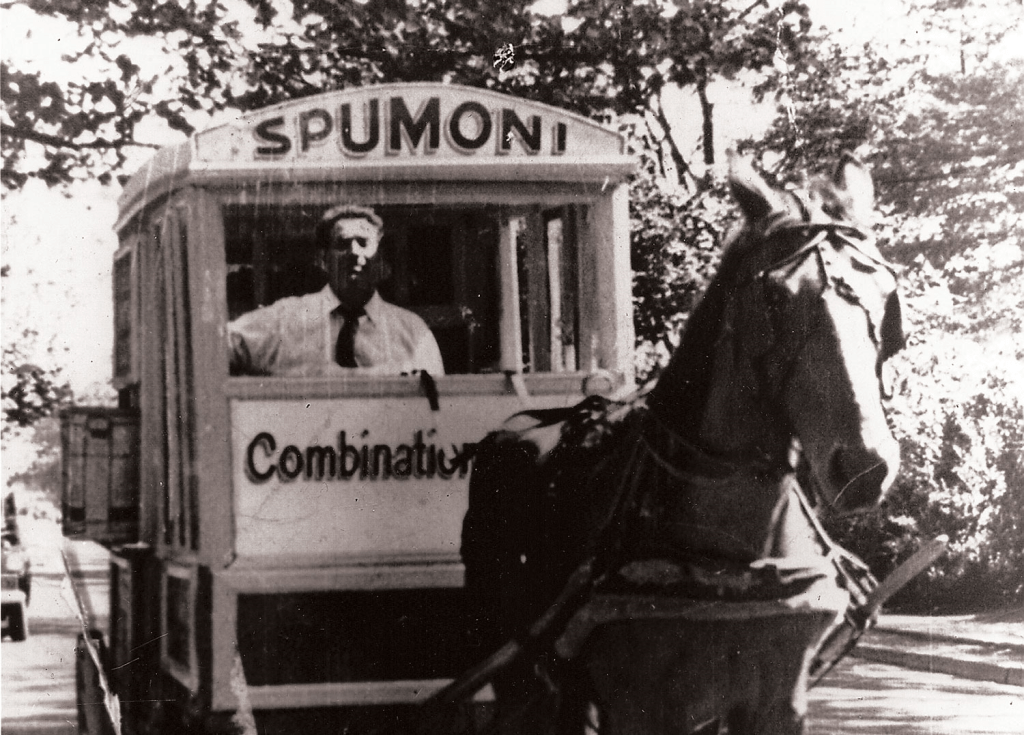

Finally, our last assignment gave me the opportunity to present the history of my family’s business. It helped me learn a little bit more about my identity and how food has been so pivotal to my family’s livelihood. I’m grateful for this chance and without taking this course, I wouldn’t have been able to spend this time covering something that’s particularly close to me. Additionally, I was able to look at the importance of it in a different light than before with the term ‘foodways’ in mind.
 Taco Literacy